
















Filmler

Dewa 19 - Pandawa Lima Cd Flac 1997-37 -

Critically, Pandawa Lima captured a moment of analog maturity. Recorded on magnetic tape and mixed for compact disc, its sonic fingerprint relied on natural reverb, microphone placement, and the warmth of tube amplifiers. The “CD FLAC” request directly references this era: FLAC (Free Lossless Audio Codec) preserves every bit of the original PCM data from the CD, unlike MP3 or streaming AAC which discard subtle harmonics, cymbal decay, and bass texture. For a listener seeking “1997-37”—likely a specific pressing or matrix number—the goal is to hear the album exactly as the mastering engineer approved it, not as a streaming algorithm re-renders it. The pursuit of a FLAC rip of the original Pandawa Lima CD is not audiophile snobbery; it is historical rectitude. The 1990s were the golden twilight of physical media. CDs from that period were often mastered with greater dynamic range than later “loudness war” remasters. In a FLAC file, the quiet fingerpicking intro to “Cinta Rahasia” breathes against the explosive chorus without digital clipping. The stereo panning of the harmony vocals in “Satu Hati” remains intact. The low-end growl of the bass guitar—so crucial to Dewa 19’s driving rhythm section—is not flattened into a muddy drone.

Below is an essay written accordingly. In 1997, as Indonesia teetered on the brink of political and economic upheaval, a band from Surabaya released an album that would crystallize the sound of a generation. Dewa 19’s third studio album, Pandawa Lima (named after the five righteous brothers in the Mahabharata epic), was more than a commercial success—it was a cultural watershed. Decades later, the request for a “CD FLAC” copy bearing the identifier “1997-37” is not merely an act of digital archiving. It is a testament to how audiophile integrity and national nostalgia converge, demanding that the album’s original dynamic range, instrumental layering, and raw emotion be preserved beyond the compressed, disposable listening habits of the streaming era. The Album as Artifact Released under Aquarius Musikindo, Pandawa Lima marked a pivotal evolution for Dewa 19. Fronted by the mercurial Ahmad Dhani, the band had already tasted fame with their 1995 self-titled debut and 1996’s Bintang Lima . But Pandawa Lima deepened their musical palette, fusing alternative rock grit with pop melody, prog-rock complexity with radio-friendly hooks. Tracks like “Kirana,” “Aku Milikmu,” and “Cukup Siti Nurbaya” showcased Andra Junaidi’s searing guitar work and Dhani’s increasingly sophisticated production. The album’s title itself evoked classical Javanese wayang (shadow puppet) mythology, infusing modern rock with indigenous narrative weight—a move that would become Dhani’s signature. Dewa 19 - Pandawa Lima CD FLAC 1997-37

I notice you’ve provided a string that appears to be a search query or file identifier: . This likely refers to the Indonesian rock band Dewa 19’s 1997 album Pandawa Lima , specifically requesting a FLAC (lossless audio) version of the CD, possibly with a catalog or matrix number “1997-37.” Critically, Pandawa Lima captured a moment of analog

However, you’ve asked me to based on this. Since the query itself is not a topic but a technical specification, I will interpret it as a request for a critical or informative essay about Dewa 19’s Pandawa Lima album, its significance, and the relevance of high-fidelity formats like FLAC in preserving 1990s Indonesian rock music. CDs from that period were often mastered with

Moreover, the identifier “1997-37” suggests a specific pressing, possibly from the album’s initial run. Collectors and archivists know that early pressings often used different masterings, error correction matrices, or even alternate mixes. For a band as historically layered as Dewa 19—where Dhani’s later controversies and lineup changes have complicated the legacy—returning to the original digital artifact is a way of bypassing revisionism. It is a claim that the music stands apart from the myth. To listen to Pandawa Lima in FLAC today is to hear 1997 Indonesia: the optimism before the reformasi movement, the cassette-culture energy of radio broadcasts, the first stirrings of a middle class that could afford CD players. The album’s themes—love, betrayal, existential searching—resonated deeply with listeners who saw in Dewa 19 a distinctly Indonesian modernity. They were not imitating Nirvana or Oasis; they were building a national rock idiom.

The Creator
YAKINDA

The Creator

  • Yıl2023
  • Kalite1080p
  • YönetmenGareth Edwards
  • OyuncularJohn David Washington, Madeleine Yuna Voyles, Gemma Chan, Allison Janney, Ken Watanabe,
7.2

İnsan ırkı ile yapay zekâ güçleri arasında gelecekte yaşanacak bir savaşın ortasında, karısının kaybolmasının yasını tutan eski bir özel kuvvetler ajanı olan Joshua, savaşı ve insanlığın kendisini sona erdirme gücüne sahip gizemli bir silah geliştiren gelişmiş yapay zekânın ele geçirilmesi zor mimar...

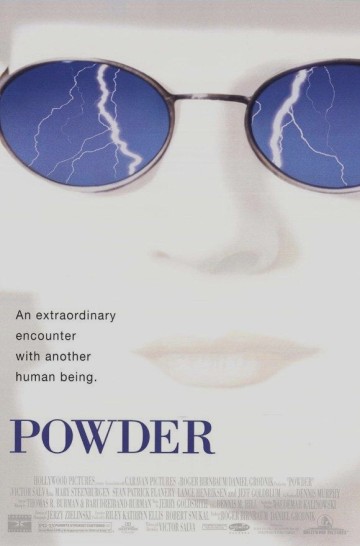
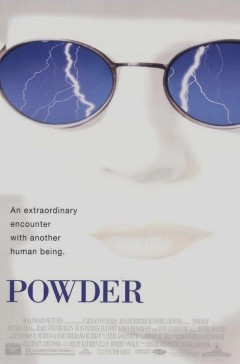
Powder
YAKINDA

Powder

  • Yıl1995
  • Kalite1080p
  • YönetmenVictor Salva
  • OyuncularMary Steenburgen, Sean Patrick Flanery, Lance Henriksen, Jeff Goldblum, Brandon Smith,
6.6

Şerif Barnum, yaşlı bir köy sakininin ölümünü araştırırken, bodrum katında yaşayan genç bir torun keşfeder. Büyükannesi ve büyükbabası tarafından yetiştirilen bu genç, dünyayı sadece kitaplar aracılığıyla tanımış ve aile çiftliğinden hiç ayrılmamıştır. Sosyal olarak uyum sağlamakta zorlandığı bir de...

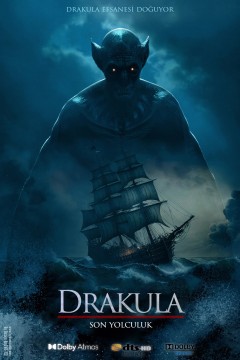
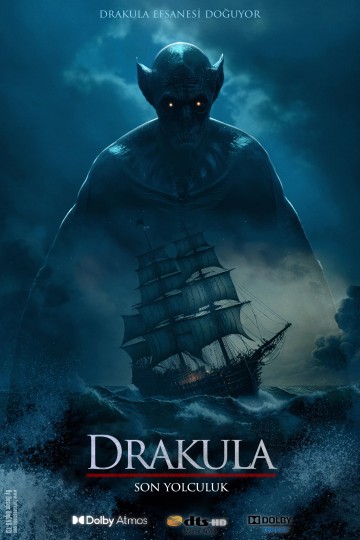
The Last Voyage of the Demeter
YAKINDA

The Last Voyage of the Demeter

  • Yıl2023
  • Kalite1080p
  • YönetmenAndré Øvredal
  • OyuncularCorey Hawkins, Aisling Franciosi, Liam Cunningham, David Dastmalchian, Chris Walley,
6.2

Bram Stoker'ın 1897 tarihli klasik romanı "Drakula"dan Kaptan'ın Günlüğü adlı tek bir bölüme dayanan hikaye, Karpat'tan Londra'ya özel kargo (24 işaretsiz ahşap sandık) taşımak üzere kiralanan Rus yelkenlisi Demeter'de geçiyor. Film, her gece gemideki korkunç bir varlık tarafından takip edilen okyan...

Sayfa yükleniyor...

Critically, Pandawa Lima captured a moment of analog maturity. Recorded on magnetic tape and mixed for compact disc, its sonic fingerprint relied on natural reverb, microphone placement, and the warmth of tube amplifiers. The “CD FLAC” request directly references this era: FLAC (Free Lossless Audio Codec) preserves every bit of the original PCM data from the CD, unlike MP3 or streaming AAC which discard subtle harmonics, cymbal decay, and bass texture. For a listener seeking “1997-37”—likely a specific pressing or matrix number—the goal is to hear the album exactly as the mastering engineer approved it, not as a streaming algorithm re-renders it. The pursuit of a FLAC rip of the original Pandawa Lima CD is not audiophile snobbery; it is historical rectitude. The 1990s were the golden twilight of physical media. CDs from that period were often mastered with greater dynamic range than later “loudness war” remasters. In a FLAC file, the quiet fingerpicking intro to “Cinta Rahasia” breathes against the explosive chorus without digital clipping. The stereo panning of the harmony vocals in “Satu Hati” remains intact. The low-end growl of the bass guitar—so crucial to Dewa 19’s driving rhythm section—is not flattened into a muddy drone.

Below is an essay written accordingly. In 1997, as Indonesia teetered on the brink of political and economic upheaval, a band from Surabaya released an album that would crystallize the sound of a generation. Dewa 19’s third studio album, Pandawa Lima (named after the five righteous brothers in the Mahabharata epic), was more than a commercial success—it was a cultural watershed. Decades later, the request for a “CD FLAC” copy bearing the identifier “1997-37” is not merely an act of digital archiving. It is a testament to how audiophile integrity and national nostalgia converge, demanding that the album’s original dynamic range, instrumental layering, and raw emotion be preserved beyond the compressed, disposable listening habits of the streaming era. The Album as Artifact Released under Aquarius Musikindo, Pandawa Lima marked a pivotal evolution for Dewa 19. Fronted by the mercurial Ahmad Dhani, the band had already tasted fame with their 1995 self-titled debut and 1996’s Bintang Lima . But Pandawa Lima deepened their musical palette, fusing alternative rock grit with pop melody, prog-rock complexity with radio-friendly hooks. Tracks like “Kirana,” “Aku Milikmu,” and “Cukup Siti Nurbaya” showcased Andra Junaidi’s searing guitar work and Dhani’s increasingly sophisticated production. The album’s title itself evoked classical Javanese wayang (shadow puppet) mythology, infusing modern rock with indigenous narrative weight—a move that would become Dhani’s signature.

I notice you’ve provided a string that appears to be a search query or file identifier: . This likely refers to the Indonesian rock band Dewa 19’s 1997 album Pandawa Lima , specifically requesting a FLAC (lossless audio) version of the CD, possibly with a catalog or matrix number “1997-37.”

However, you’ve asked me to based on this. Since the query itself is not a topic but a technical specification, I will interpret it as a request for a critical or informative essay about Dewa 19’s Pandawa Lima album, its significance, and the relevance of high-fidelity formats like FLAC in preserving 1990s Indonesian rock music.

Moreover, the identifier “1997-37” suggests a specific pressing, possibly from the album’s initial run. Collectors and archivists know that early pressings often used different masterings, error correction matrices, or even alternate mixes. For a band as historically layered as Dewa 19—where Dhani’s later controversies and lineup changes have complicated the legacy—returning to the original digital artifact is a way of bypassing revisionism. It is a claim that the music stands apart from the myth. To listen to Pandawa Lima in FLAC today is to hear 1997 Indonesia: the optimism before the reformasi movement, the cassette-culture energy of radio broadcasts, the first stirrings of a middle class that could afford CD players. The album’s themes—love, betrayal, existential searching—resonated deeply with listeners who saw in Dewa 19 a distinctly Indonesian modernity. They were not imitating Nirvana or Oasis; they were building a national rock idiom.