Jiu-jitsu University By Saulo Ribeiro -

Analyse your recordings
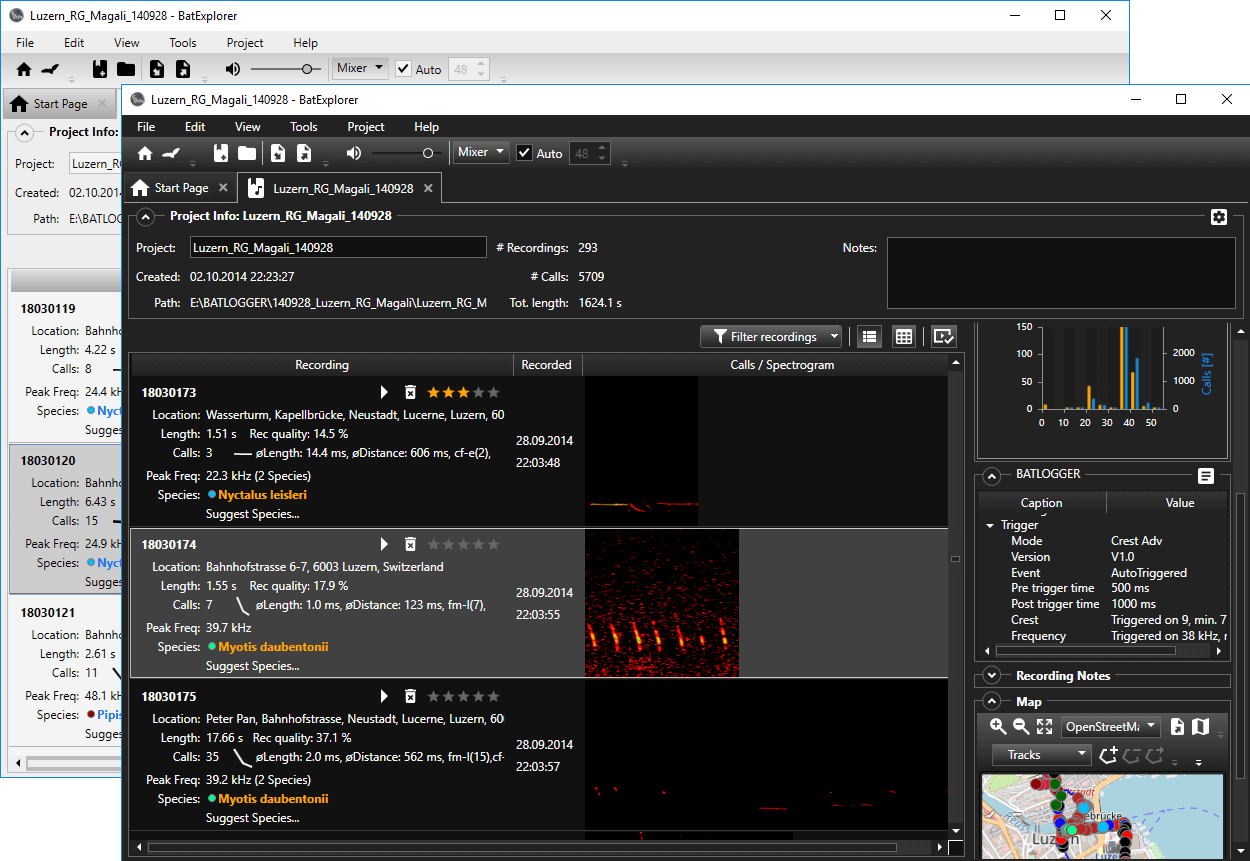
Organize recordings easily and fast
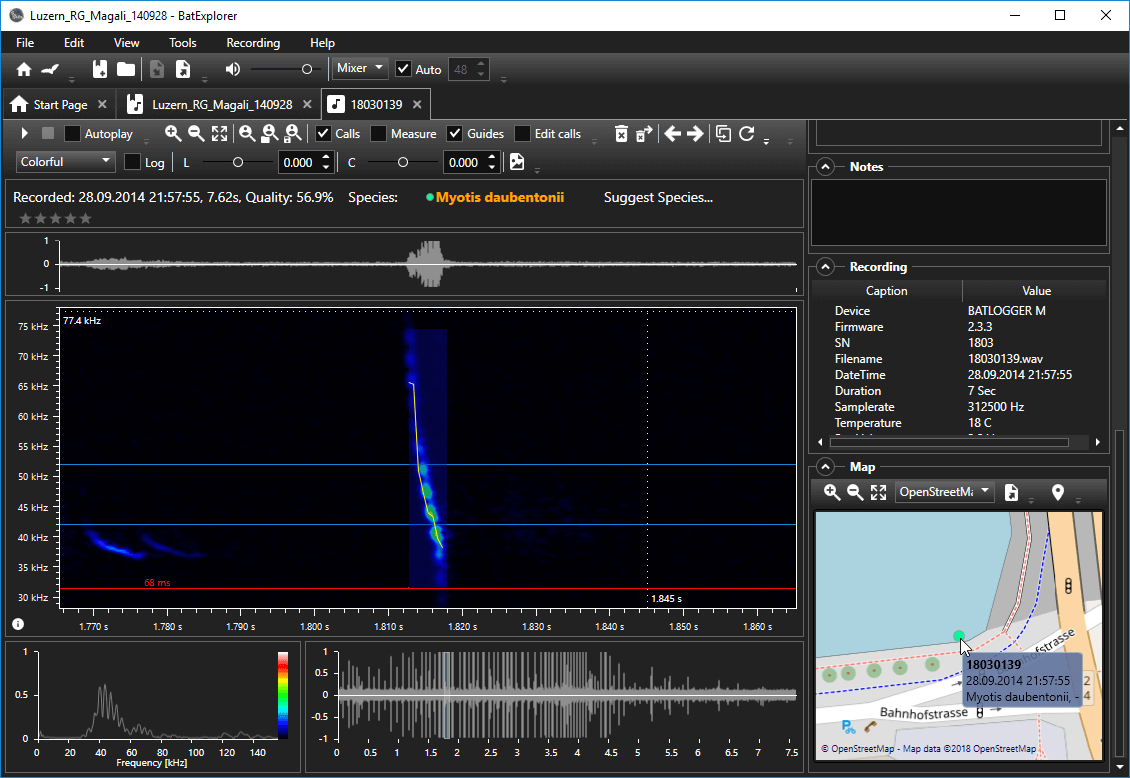
Automatic bat call detection
Listening, viewing and classifying recordings
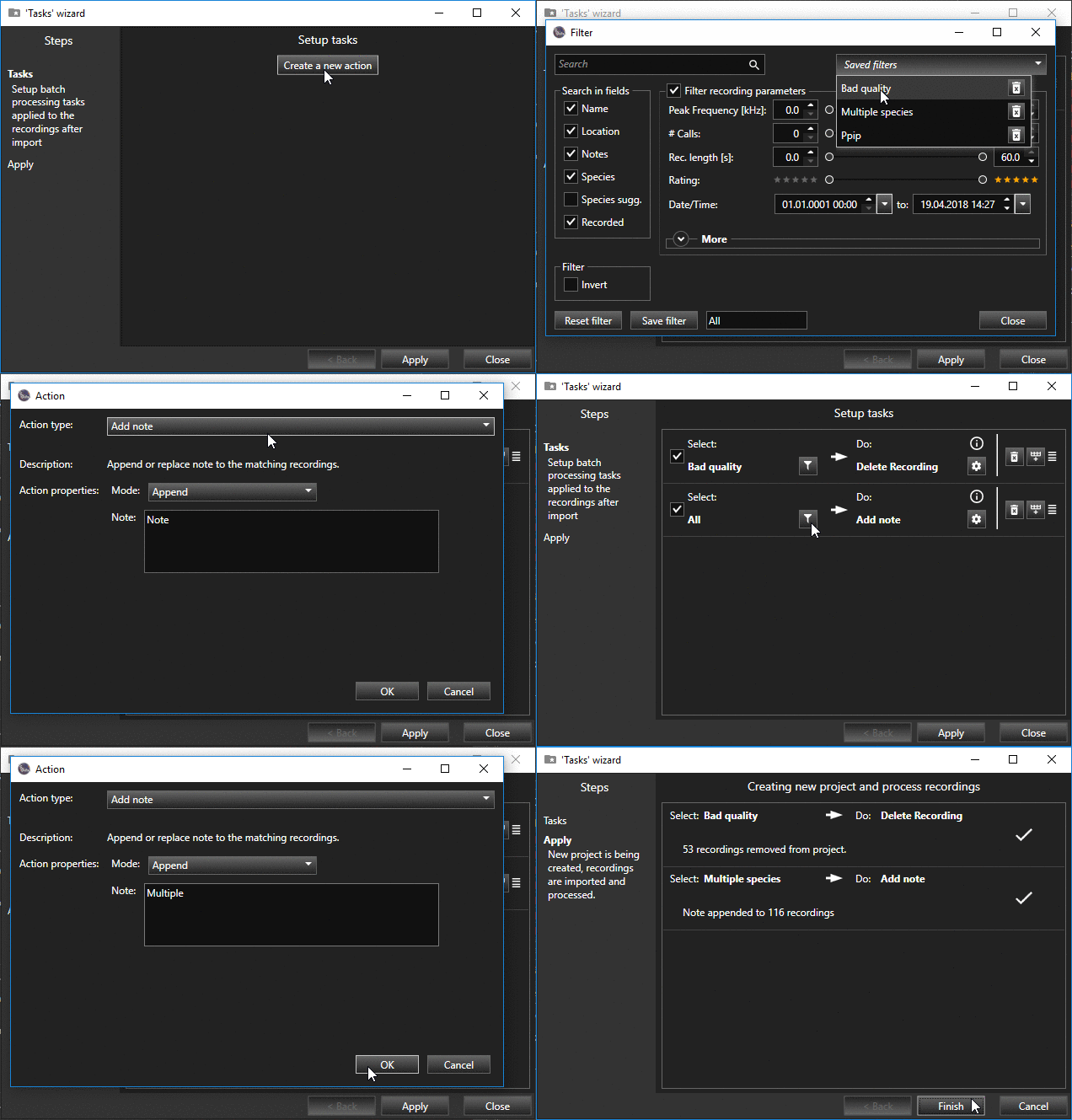
Automate recurring actions with tasks
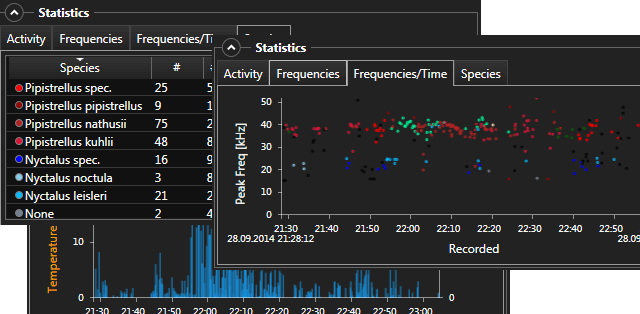
Bat species suggestions
Organize recordings easily and fast
Automatic bat call detection
Listening, viewing and classifying recordings
Automate recurring actions with tasks
Bat species suggestions
This paper explores how Ribeiro operationalizes this thesis through a belt-rank structure. Section II examines the pedagogical innovation of the color-coded system. Section III analyzes the cornerstone concept of the “White to Blue” survival phase. Section IV evaluates the offensive frameworks introduced at higher belts. Section V critiques the book’s limitations, and Section VI concludes with its lasting legacy.
Ribeiro, S., & Howell, K. (2008). Jiu-Jitsu University . Victory Belt Publishing. jiu-jitsu university by saulo ribeiro
The book’s legacy is visible in how modern BJJ academies structure their beginner curricula: positional escapes, mounting escapes, and side control survival are now standard first-month lessons, not advanced topics. Jiu-Jitsu University transformed BJJ from a collection of tricks into a developmental science. For any practitioner, from hobbyist to world champion, returning to Ribeiro’s first principle—“Position before submission, and survival before position”—serves as a foundational reminder that in Jiu-Jitsu, the greatest victory is often simply refusing to lose. This paper explores how Ribeiro operationalizes this thesis
St, G. (Producer). (2012). Saulo Ribeiro: Jiu-Jitsu Revolution [DVD Series]. World Martial Arts. Section IV evaluates the offensive frameworks introduced at
Traditional BJJ instruction often follows a “technique-of-the-day” model, where students learn a submission from guard, a sweep from side control, and a takedown in a single class, regardless of skill level. Ribeiro rejects this as incoherent.
The proliferation of Brazilian Jiu-Jitsu instructional materials in the 21st century has created a paradox of choice for practitioners. While many texts offer exhaustive lists of techniques, few provide an integrated conceptual framework for progression. Saulo Ribeiro, a multiple-time World Champion and member of the BJJ Hall of Fame, published Jiu-Jitsu University to address this gap. The book’s central thesis is counterintuitive within a martial art often celebrated for its offensive submissions:
Despite its limitations, Jiu-Jitsu University remains the most important single-volume textbook in the history of Brazilian Jiu-Jitsu. Its enduring value lies not in exhaustive technique cataloging but in its . By forcing the practitioner to ask, “What is my belt’s primary objective?” rather than “What submission can I try?”, Ribeiro provides a map for a decade-long learning journey.
More information about the software can be found in the Online User Guide.