×




Мы взяли весь свой многолетний опыт и вложили его в совершенно новую форму антидетекта Indigo!
Последнее обновление базы отпечатков
12.12.2024 15:15
Браузер Stealthfox
146 ядро
Браузер Mimic
145 ядро


Мы взяли весь свой многолетний опыт и вложили его в совершенно новую форму антидетекта Indigo!
Последнее обновление базы отпечатков
12.12.2024 15:15
Браузер Stealthfox
146 ядро
Браузер Mimic
145 ядро

С Indigo Вы - множество реальных пользователей и можете:
Использовать наш 7-летний опыт разработки антидетект технологий;
Автоматизировать и масштабировать процессы с расширением API;
Выбирать локальные или зашифрованное облачное хранилище;
Контролировать права доступа к своим проектам;
Быть уверенным благодаря 99,98% аптайму и быстрой многоязычной поддержке.
Без Indigo для сайта Вы - уникальный пользователь:
Сталкиваетесь с блокировками на разных сайтах;
Устали от медленных, трудоемких ручных процессов;
Переживаете за безопасность профилей;
Недовольны простоями и медленной поддержкой;
Идете на риск ради совместной работы над несколькими проектами.

Качественная работа в любых направлениях!
Мы - создатели лучшего на сегодняшний день антидетект решения, актуального во всех сферах деятельности!




Арбитраж трафика
Создавайте и управляйте множеством аккаунтов на платформах. Минимизируйте риск блокировок и эффективно проводите рекламные кампании.




Веб-скрейпинг
Indigo маскирует Вашу активность, предотвращая обнаружение и блокировку со стороны целевых сайтов. Это позволяет Вам без помех собирать и анализировать необходимые данные, экономя время и ресурсы.




Бонусхантинг
Безопасно используйте множество аккаунтов на беттинговых платформах и онлайн-казино.




Bounty & Airdrop
Управляйте множественными учетными записями и максимизируйте шансы на получение вознаграждения и успешное участие в токенсейлах.





E-commerce
Увеличьте доход и улучшите маркетинговые стратегии без опасений быть заблокированными.




Digital-агентства
Indigo исключает риски получить блокировку за мультиаккаунтинг и теневой бан, что обеспечивает безопасную работу медиа-агентств с рекламными кампаниями клиентов.




Анонимность
Есть две личности. Одна - Ваша, вторая - Indigo. О второй, кроме Вас, никто не узнает.
Резидентские прокси
Мы предоставляем доступ к прокси премиального качества, уже встроенным в браузер. Выбирайте из более 150 стран прокси с высокой чистотой IP-адресов и полностью защитите свой отпечаток.
Open API
Современное API решение для вашей работы. Поддерживаем браузерные драйверы Selenium, Playwright и Puppeteer.
Локальные и облачные профили
Создайте профиль в пару кликов и сохраните его на своем устройстве или в нашем облаке.
Антидетект браузер
Забудь о блокировках с нативными отпечатками браузеров.
Настройка одного профиля занимает не более 2 минут.
Все настройки отпечатка успешно подменяются, ни одна антифрод система не узнает реальных параметров вашего ПК.
Создавайте, клонируйте и передавайте ваши профили без ограничений.
Мобильный антидетект
В Индиго Х вы сможете эмулировать мобильный браузер с обычного компьютера или ноутбука.
Для серфинга в браузере больше не нужен телефон, теперь вы можете создавать множество мобильных профилей в Индиго.
Легкая автоматизация с помощью инструментов Selenium, Playwright и Puppeteer.
Гибкие настройки и высокий уровень защиты от блокировок и обнаружения.

Преимущества работы с Indigo!
Автоматизируйте свои процессы быстро и безопасно. Сделайте свою работу более эффективной с нами!

Избегайте блокировок с помощью маскировки отпечатков - сводите обнаружение к нулю

Создавайте надежные браузерные профили c нативными отпечатками
Избегайте блокировок с помощью маскировки отпечатков - сводите обнаружение к нулю
However, a balanced essay must also caution against misuse. The term "kantoi" can sometimes be weaponised unfairly—a single mistake or a strict but well-intentioned lesson might be blown out of proportion. Not every firm reprimand qualifies as "terlampau." Distinguishing between necessary discipline and cruelty is vital. An ustazah has the right to correct, advise, and even warn, as long as it is done privately, respectfully, and proportionally. The goal of exposure should be reform, not character assassination. Thus, communities should establish proper reporting mechanisms—through school boards, mosque committees, or religious departments—rather than relying solely on viral shaming.
Moreover, the phenomenon of "kantoi ustazah terlampau" reflects a broader social maturity. In the past, students and parents might have endured emotional or verbal abuse silently, fearing that questioning a religious teacher equated to questioning God. Today, communities are learning that respectful dissent is possible. When an ustazah’s actions are exposed and discussed openly, it creates a healthier environment where religious authority is based on wisdom and compassion, not fear. It also protects vulnerable students—especially young girls—from long-term psychological harm, including anxiety, self-doubt, and even religious trauma.
The exposure of an ustazah’s excesses is not an attack on Islam or religious education. On the contrary, it is an affirmation that Islamic values themselves prioritise mercy ( rahmah ), kindness ( ihsan ), and avoiding harm ( la darar wa la dirar ). The Prophet Muhammad (peace be upon him) was described as a mercy to all worlds, and he explicitly warned against harshness, saying, “Whoever is deprived of gentleness is deprived of all good” (Sahih Muslim). An ustazah who is "terlampau" has, in fact, deviated from these prophetic ethics. Therefore, calling out such behaviour is not rebellion; it is a return to authentic religious principles.
In many communities, particularly within religious or educational settings, the figure of the Ustazah (a female religious teacher) commands deep respect. She is seen as a beacon of moral guidance, a custodian of faith, and an authority figure whose words are rarely questioned. However, the contemporary phrase "kantoi ustazah terlampau" —colloquially meaning that an ustazah has been caught out for crossing a line—highlights a growing societal tension. It is no longer taboo to scrutinise religious authority when it becomes excessive, punitive, or disconnected from compassion. This essay argues that while respect for religious teachers is foundational, accountability is equally important; when an ustazah acts terlampau (excessively), the resulting exposure serves as a necessary check on power.
First, it is essential to understand what constitutes "terlampau" behaviour. An ustazah may cross the line in several ways: using public humiliation as a disciplinary tool, imposing rigid rules that shame students rather than educate them, or leveraging religious authority to control personal aspects of students’ lives beyond reasonable boundaries. For example, an ustazah who forces a student to stand before the class for forgetting a prayer, or who criticises a student’s family background from the pulpit, has shifted from teaching to tyranny. When such actions are "kantoi"—exposed or caught out—often through social media or private recordings, the public reaction is no longer silent deference but justified outrage.
In conclusion, the phrase "kantoi ustazah terlampau" captures a necessary evolution in how religious authority is perceived. An ustazah who goes too far betrays the trust placed in her and the very religion she represents. Being caught out in such excess is not a sign of societal decay but of moral awakening. It reminds all religious educators that their authority is a trust, not a licence. True religious teaching, after all, does not break hearts—it mends them. And any ustazah who forgets this must be gently but firmly reminded: mercy comes first, and excess has no place in the house of faith.
Почему стоит выбрать антидетект браузер Indigo!
Изучите все преимущества нашего браузера и сделайте свой выбор
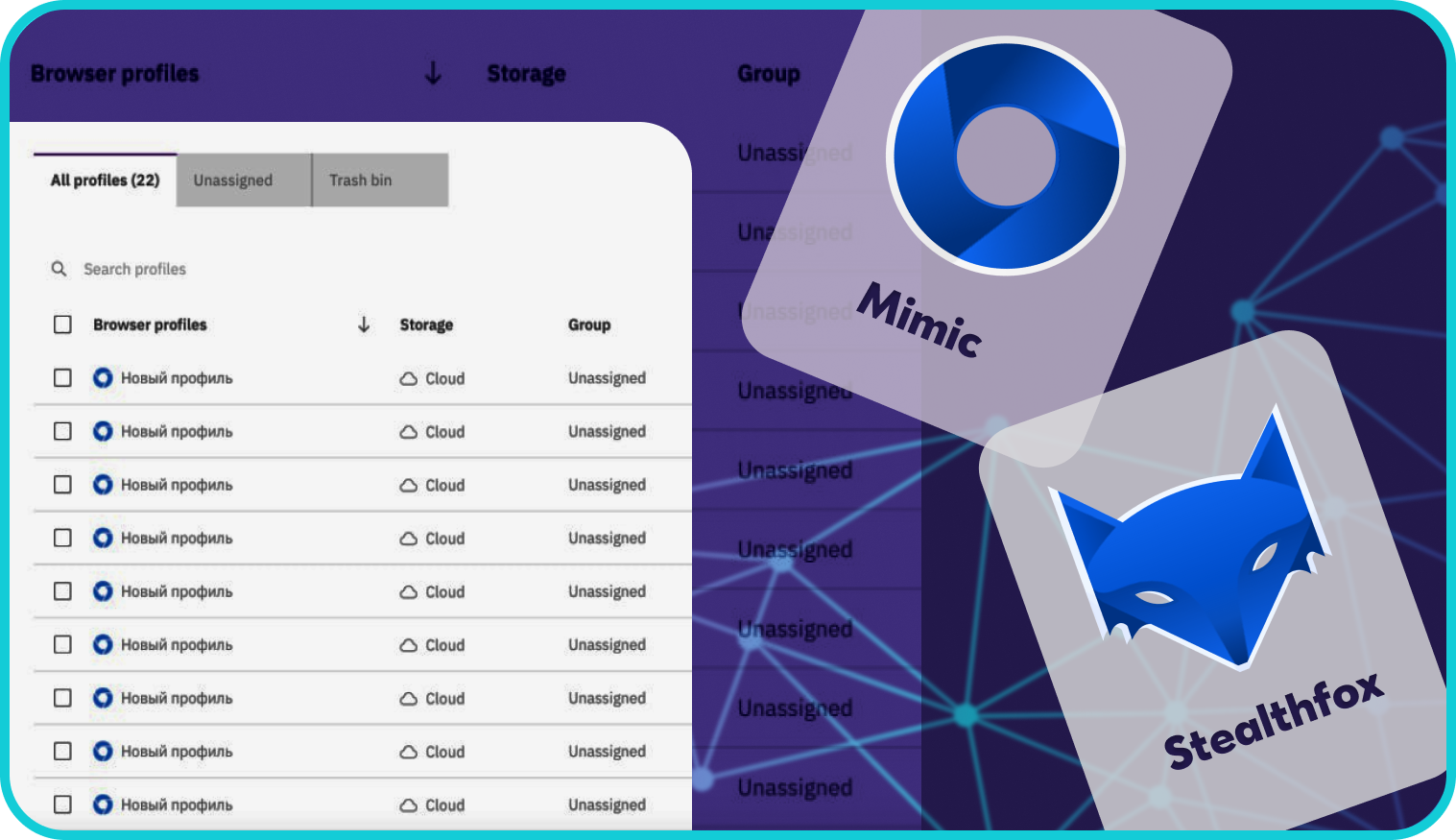
Браузеры
Мы поддерживаем сразу два современных браузера с лучшими технологиями защиты на основе Mimic и Stealthfox.
А так же мобильные Android профили с высокой степенью защиты.
Почему стоит выбрать антидетект браузер Indigo!
Изучите все преимущества нашего браузера и сделайте свой выбор
Браузеры
Мы поддерживаем сразу два современных браузера с лучшими технологиями защиты на основе Mimic и Stealthfox.
А так же мобильные Android профили с высокой степенью защиты.
Часто задаваемые вопросы
Всё, что нужно знать для старта!
However, a balanced essay must also caution against misuse. The term "kantoi" can sometimes be weaponised unfairly—a single mistake or a strict but well-intentioned lesson might be blown out of proportion. Not every firm reprimand qualifies as "terlampau." Distinguishing between necessary discipline and cruelty is vital. An ustazah has the right to correct, advise, and even warn, as long as it is done privately, respectfully, and proportionally. The goal of exposure should be reform, not character assassination. Thus, communities should establish proper reporting mechanisms—through school boards, mosque committees, or religious departments—rather than relying solely on viral shaming. kantooi ustazah terlampau
Moreover, the phenomenon of "kantoi ustazah terlampau" reflects a broader social maturity. In the past, students and parents might have endured emotional or verbal abuse silently, fearing that questioning a religious teacher equated to questioning God. Today, communities are learning that respectful dissent is possible. When an ustazah’s actions are exposed and discussed openly, it creates a healthier environment where religious authority is based on wisdom and compassion, not fear. It also protects vulnerable students—especially young girls—from long-term psychological harm, including anxiety, self-doubt, and even religious trauma.
The exposure of an ustazah’s excesses is not an attack on Islam or religious education. On the contrary, it is an affirmation that Islamic values themselves prioritise mercy ( rahmah ), kindness ( ihsan ), and avoiding harm ( la darar wa la dirar ). The Prophet Muhammad (peace be upon him) was described as a mercy to all worlds, and he explicitly warned against harshness, saying, “Whoever is deprived of gentleness is deprived of all good” (Sahih Muslim). An ustazah who is "terlampau" has, in fact, deviated from these prophetic ethics. Therefore, calling out such behaviour is not rebellion; it is a return to authentic religious principles. However, a balanced essay must also caution against misuse
In many communities, particularly within religious or educational settings, the figure of the Ustazah (a female religious teacher) commands deep respect. She is seen as a beacon of moral guidance, a custodian of faith, and an authority figure whose words are rarely questioned. However, the contemporary phrase "kantoi ustazah terlampau" —colloquially meaning that an ustazah has been caught out for crossing a line—highlights a growing societal tension. It is no longer taboo to scrutinise religious authority when it becomes excessive, punitive, or disconnected from compassion. This essay argues that while respect for religious teachers is foundational, accountability is equally important; when an ustazah acts terlampau (excessively), the resulting exposure serves as a necessary check on power.
First, it is essential to understand what constitutes "terlampau" behaviour. An ustazah may cross the line in several ways: using public humiliation as a disciplinary tool, imposing rigid rules that shame students rather than educate them, or leveraging religious authority to control personal aspects of students’ lives beyond reasonable boundaries. For example, an ustazah who forces a student to stand before the class for forgetting a prayer, or who criticises a student’s family background from the pulpit, has shifted from teaching to tyranny. When such actions are "kantoi"—exposed or caught out—often through social media or private recordings, the public reaction is no longer silent deference but justified outrage. An ustazah has the right to correct, advise,
In conclusion, the phrase "kantoi ustazah terlampau" captures a necessary evolution in how religious authority is perceived. An ustazah who goes too far betrays the trust placed in her and the very religion she represents. Being caught out in such excess is not a sign of societal decay but of moral awakening. It reminds all religious educators that their authority is a trust, not a licence. True religious teaching, after all, does not break hearts—it mends them. And any ustazah who forgets this must be gently but firmly reminded: mercy comes first, and excess has no place in the house of faith.
Эксперты давно признали высокий уровень работы Indigo!
Наш браузер - лауреат множества профессиональных премий и давно признан сообществом одним из самых эффективных







Остались вопросы?
Напишите в саппорт и наш специалист ответит менее, чем за минуту