

Best Software to Convert MBOX File of All Email Client without Any Limitation
Note: Visit here to understand Mac OS Supported Tool's Feature

Perfect Software to Convert MBOX File with Complete Associated Attributes

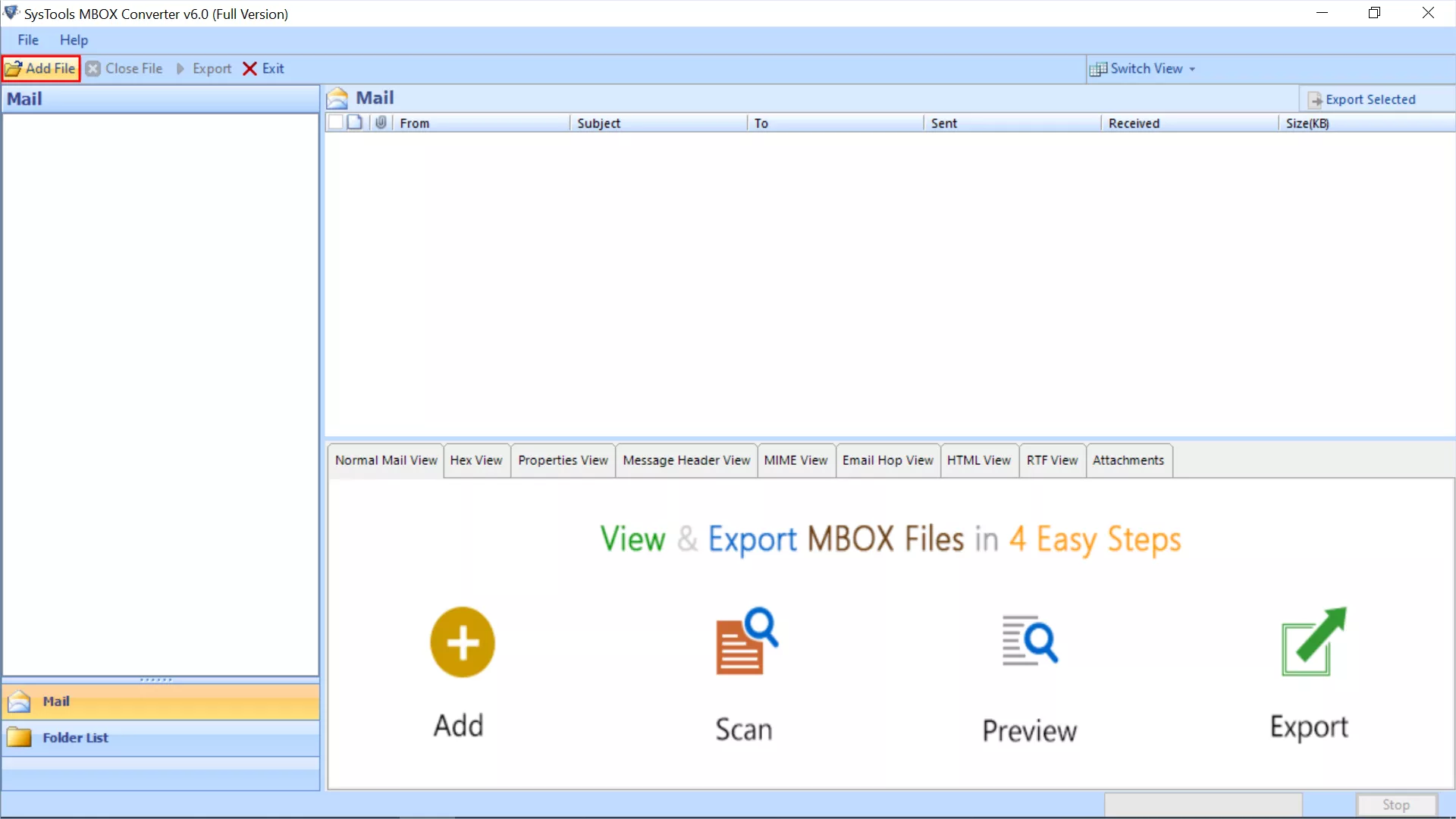
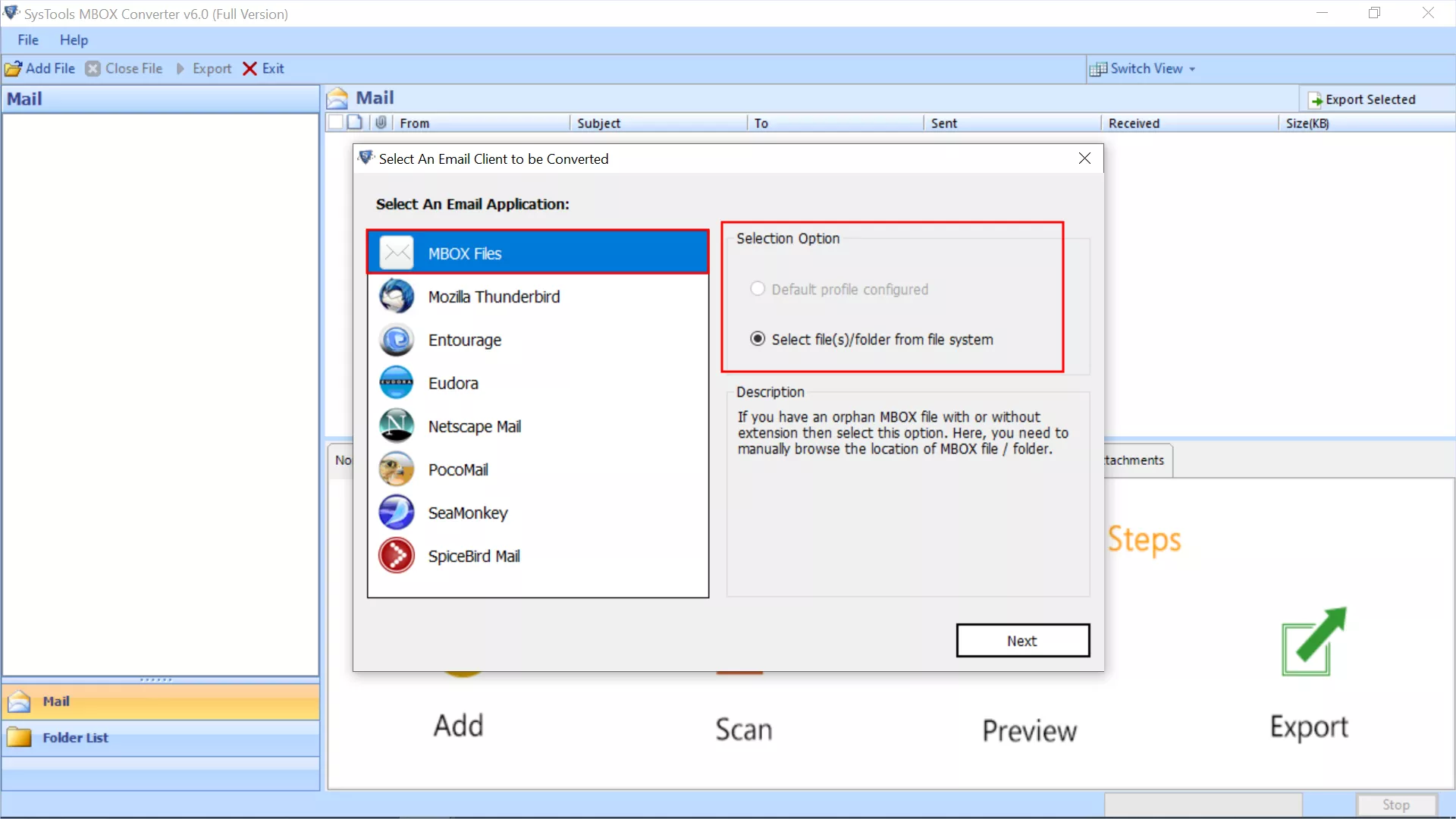
The MBOX converter supports all mail client MBOX file. Software UI lists all supported applications, user can choose one application at a time and add the database file into software panel. If user has .mbox (without extension MBOX file), .mbx, or .mbs file, then simply browse the file wothout selecting any email application.

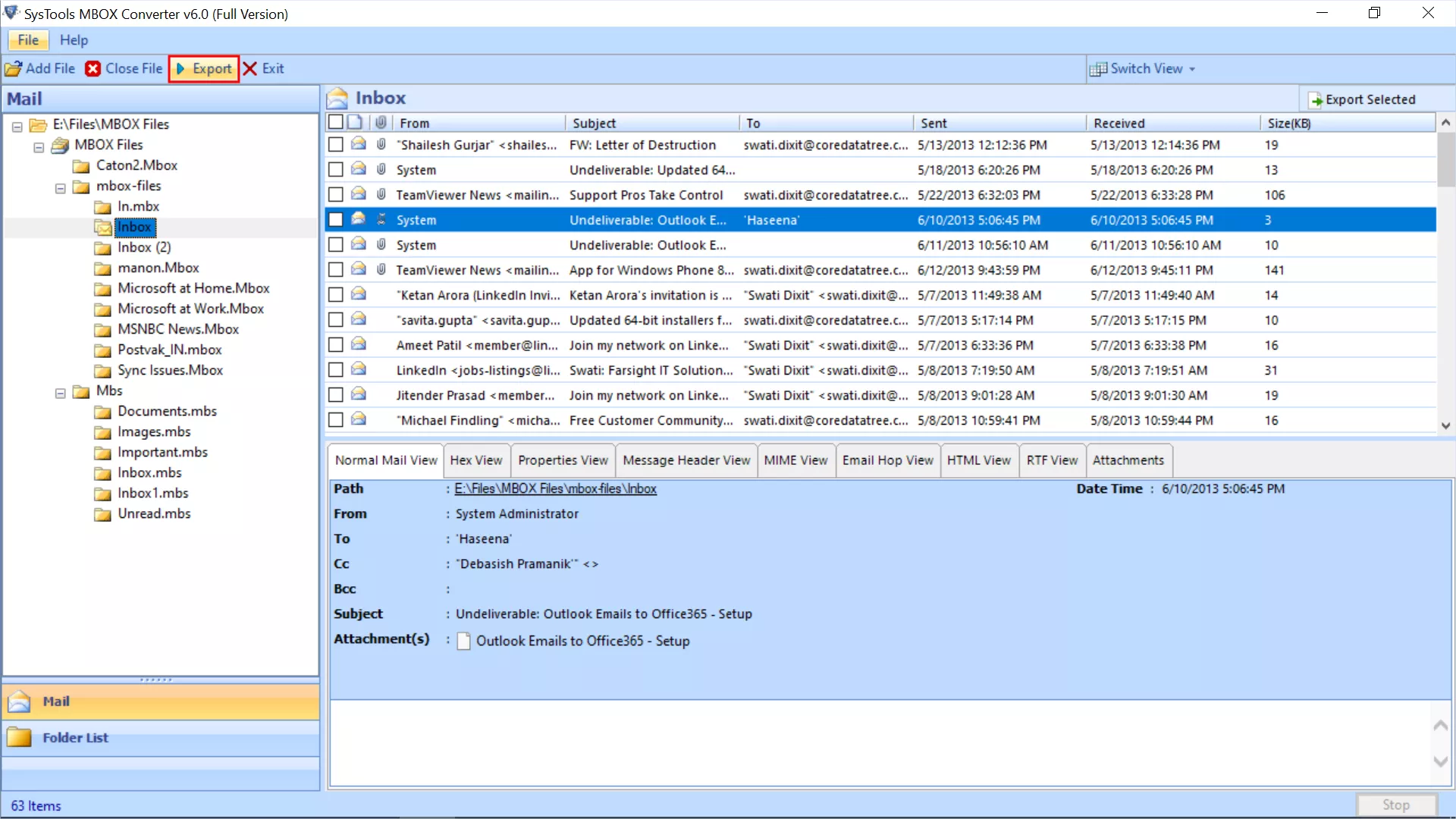
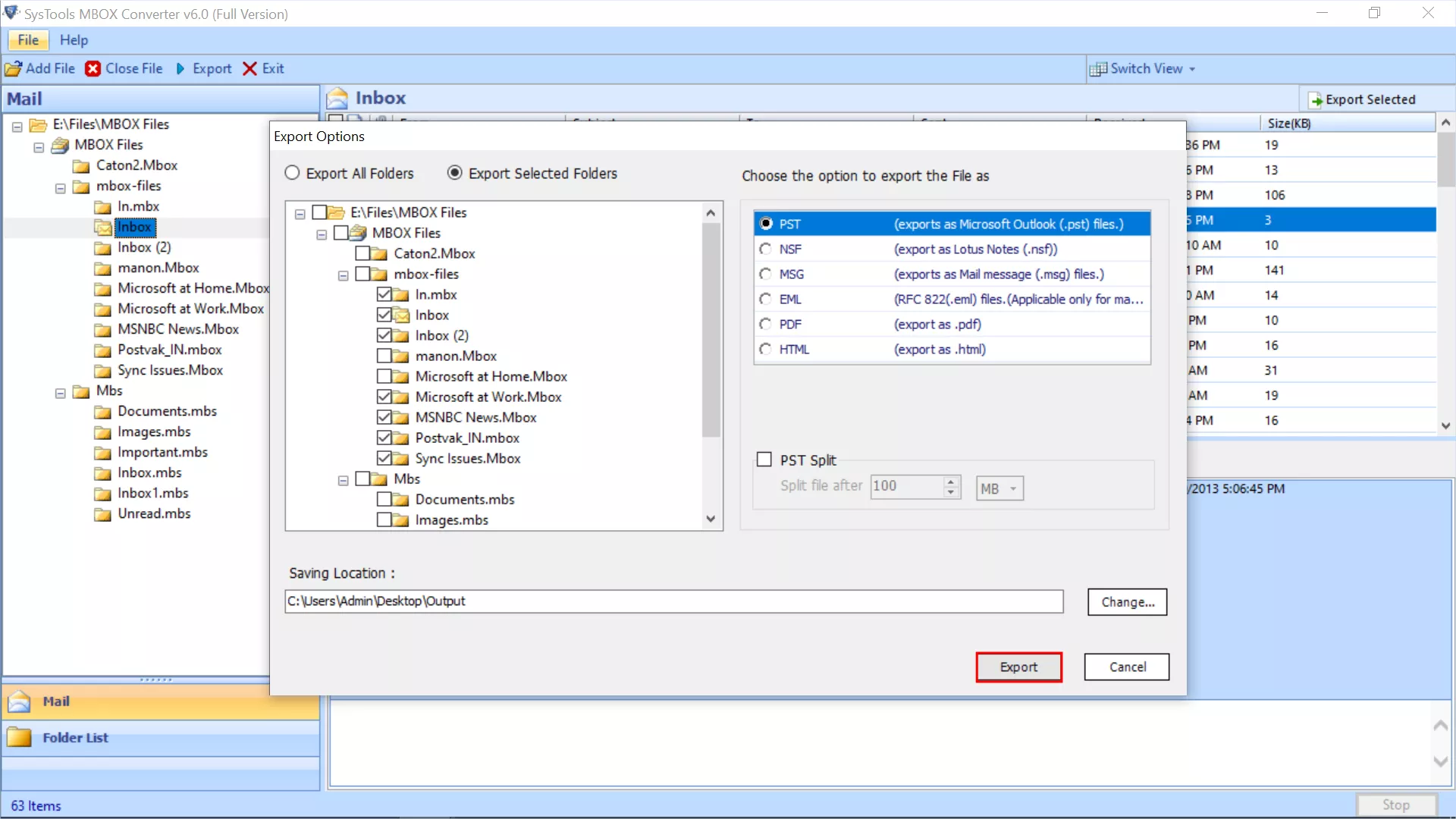
While designing this software, developer has ensured that the user can authenticate the data before starting the conversion process. For this, a preview function has been provided in this MBOX converter tool. With the help of this function, the user can view all the data in the software's UI. If the data is correct, the user can simply click on the Export button to start the MBOX conversion process.
The software provides 9 different view modes, which the user can utilize to analyze the MBOX file data in detail. At one time, the user can select a single mode to read the data.
The Evolution and Enduring Legacy of the “Marcha Nupcial”
The term "Marcha Nupcial" (Spanish/Portuguese for "Wedding March") most commonly refers to two iconic classical pieces that have become inseparable from Western wedding traditions. While several processional marches exist, two works dominate the repertoire: Felix Mendelssohn’s Wedding March from A Midsummer Night’s Dream (1842) and Richard Wagner’s Bridal Chorus from Lohengrin (1850). This paper examines the origins, musical characteristics, and cultural consolidation of these two marches, explaining how they became the global standard for nuptial processions and recessions.
| Feature | Wagner – Bridal Chorus | Mendelssohn – Wedding March | | :--- | :--- | :--- | | | Slow, measured | Fast, triumphant | | Mood | Solemn, tender, anticipatory | Joyful, celebratory, grand | | Instrumentation | Women’s chorus + brass (originally) | Full orchestra with prominent trumpets | | Cultural Role | Bride’s entrance (processional) | Couple’s exit (recessional) | | Key | B-flat major | C major |
Screenshots
Working Video
The Evolution and Enduring Legacy of the “Marcha Nupcial”
The term "Marcha Nupcial" (Spanish/Portuguese for "Wedding March") most commonly refers to two iconic classical pieces that have become inseparable from Western wedding traditions. While several processional marches exist, two works dominate the repertoire: Felix Mendelssohn’s Wedding March from A Midsummer Night’s Dream (1842) and Richard Wagner’s Bridal Chorus from Lohengrin (1850). This paper examines the origins, musical characteristics, and cultural consolidation of these two marches, explaining how they became the global standard for nuptial processions and recessions.
| Feature | Wagner – Bridal Chorus | Mendelssohn – Wedding March | | :--- | :--- | :--- | | | Slow, measured | Fast, triumphant | | Mood | Solemn, tender, anticipatory | Joyful, celebratory, grand | | Instrumentation | Women’s chorus + brass (originally) | Full orchestra with prominent trumpets | | Cultural Role | Bride’s entrance (processional) | Couple’s exit (recessional) | | Key | B-flat major | C major |
Trust