
Go to ShopCart

Organic Chemistry 3rd Edition Smith Solutions Manual May 2026

System can't start normally? Easy way to access your data and repair your PC!

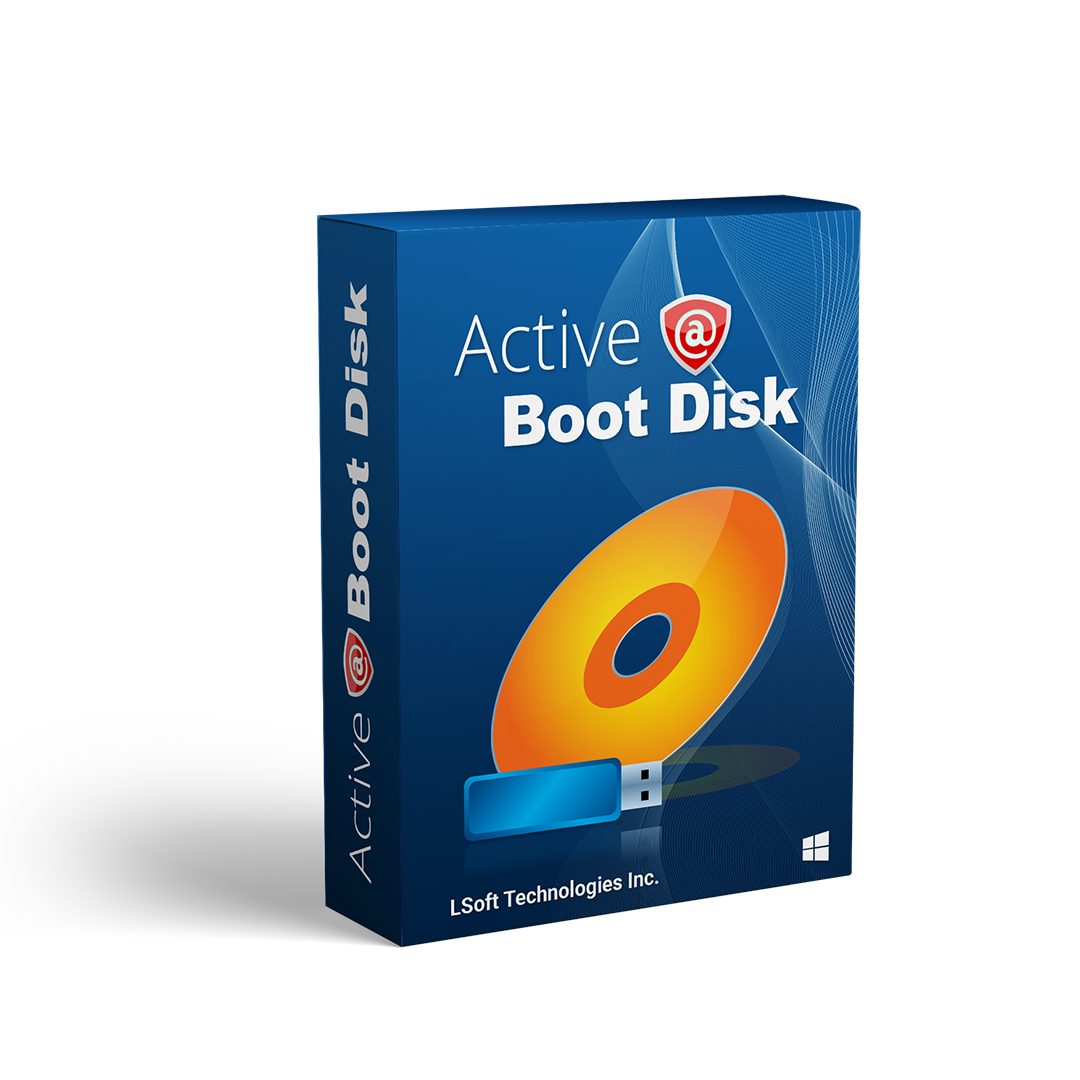
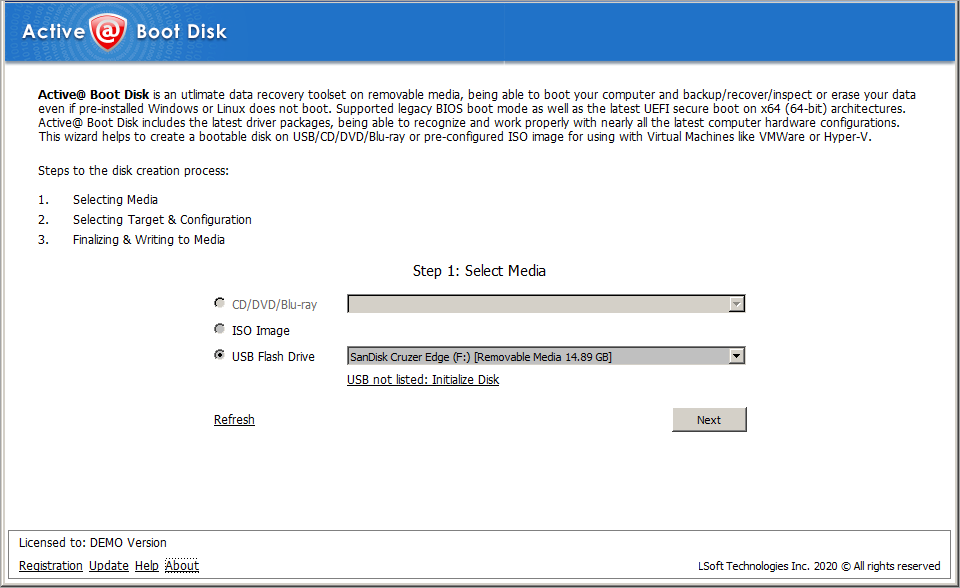
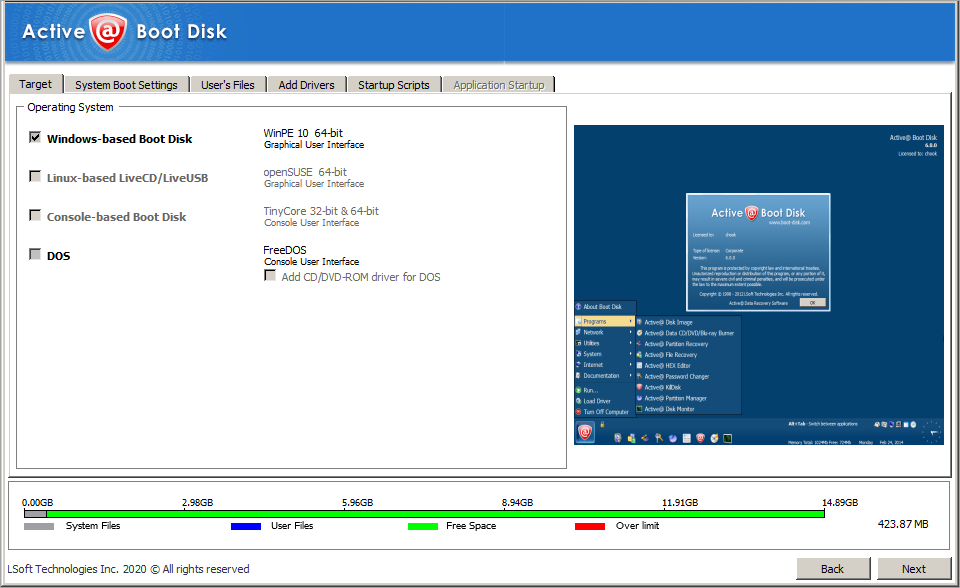
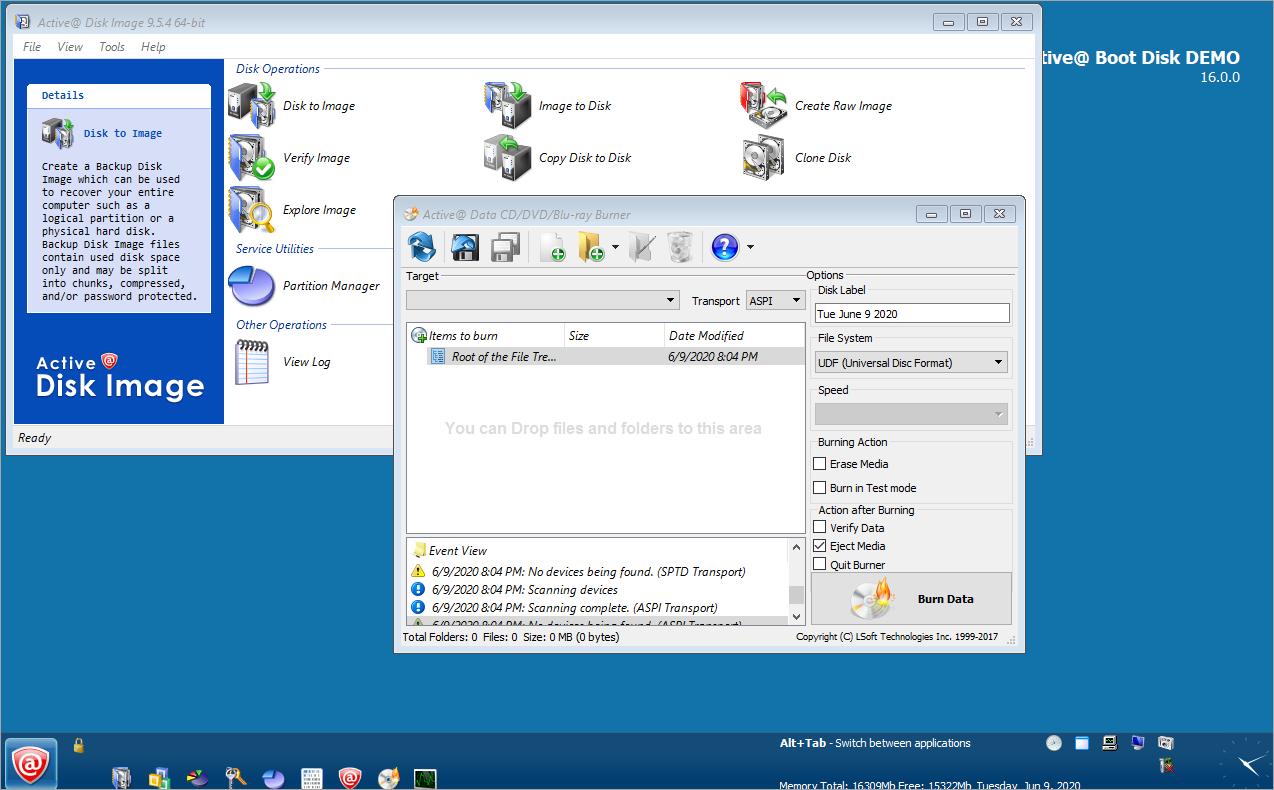
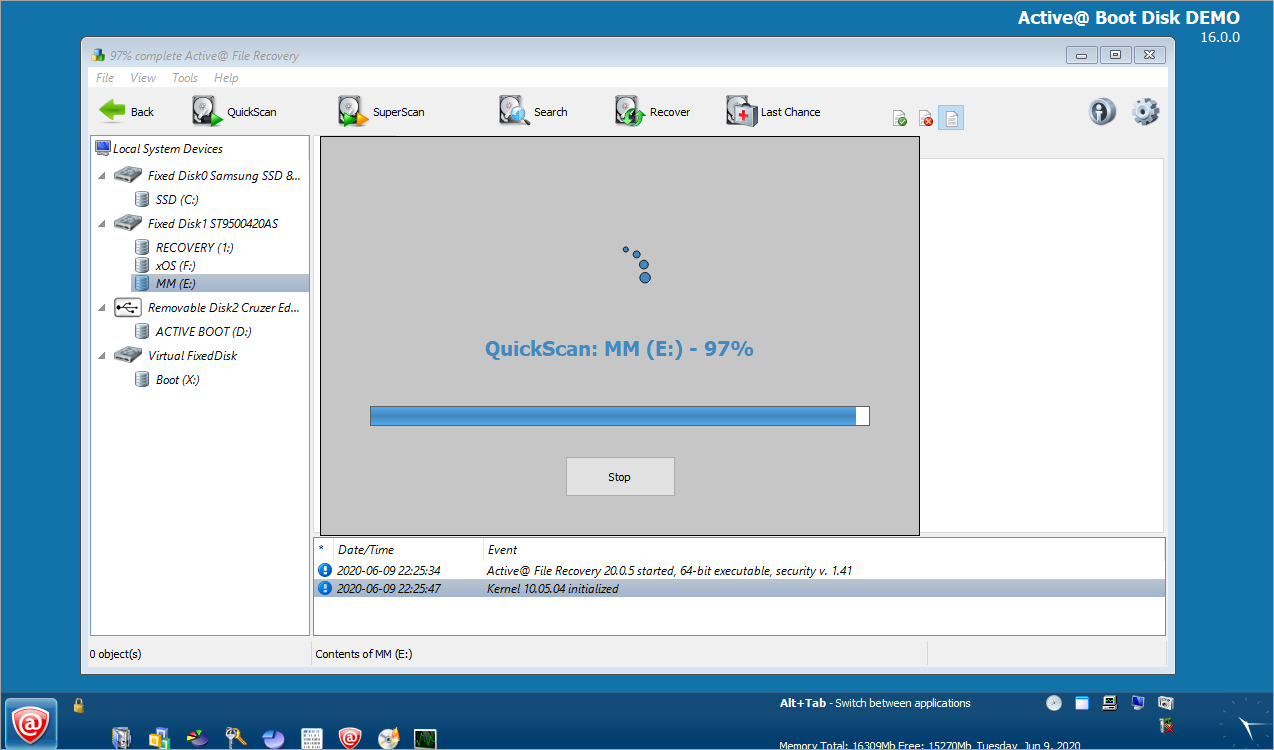
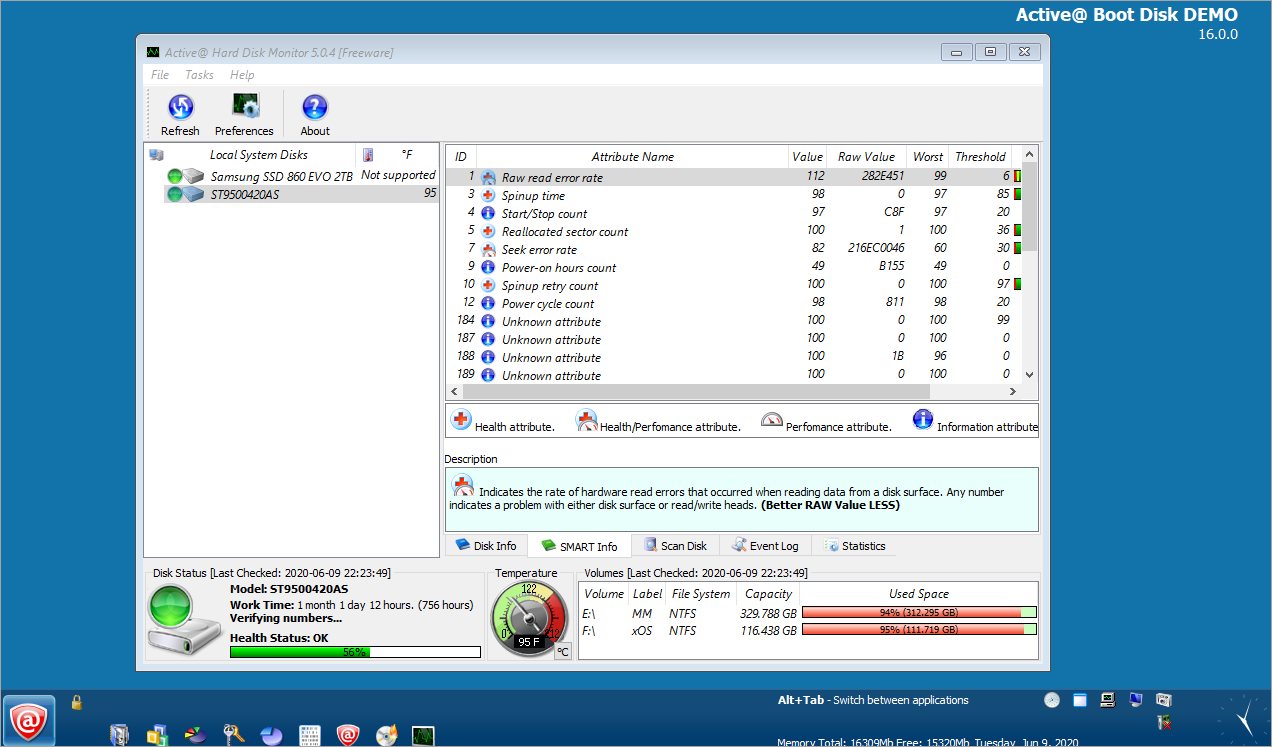
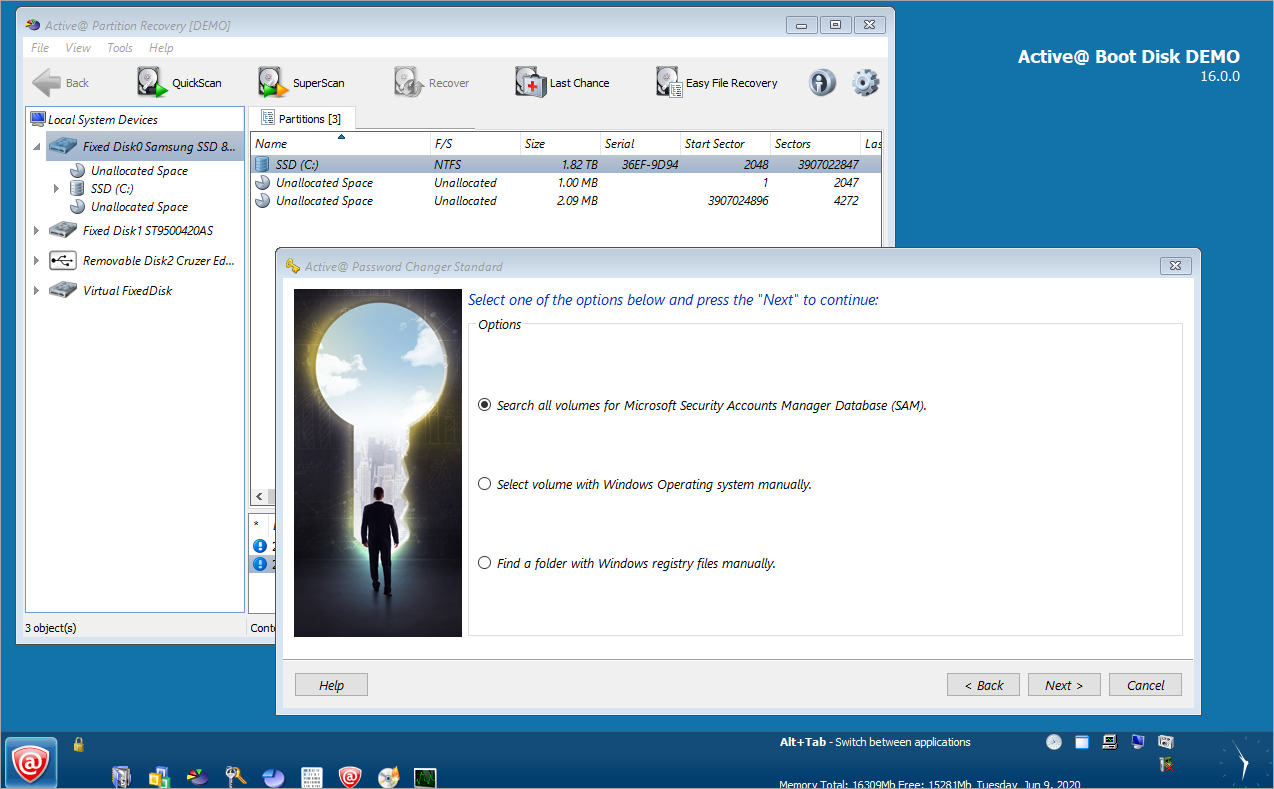
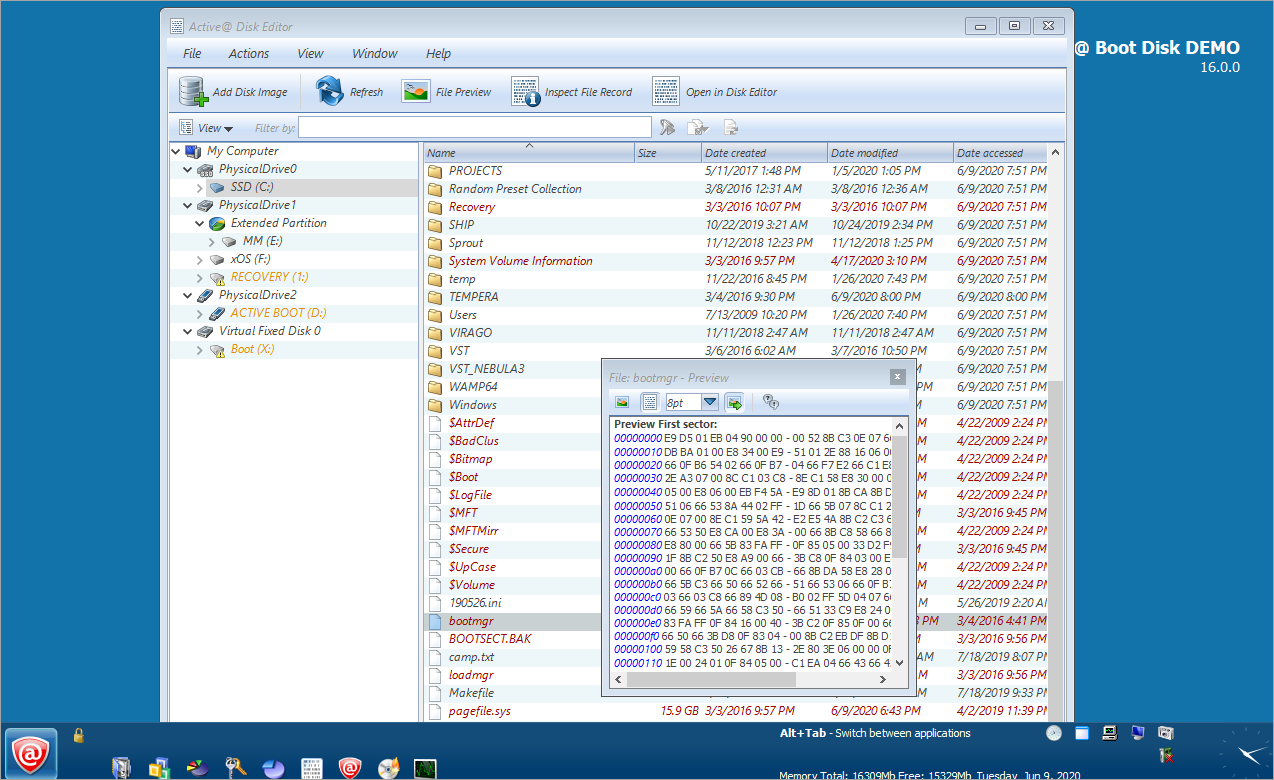
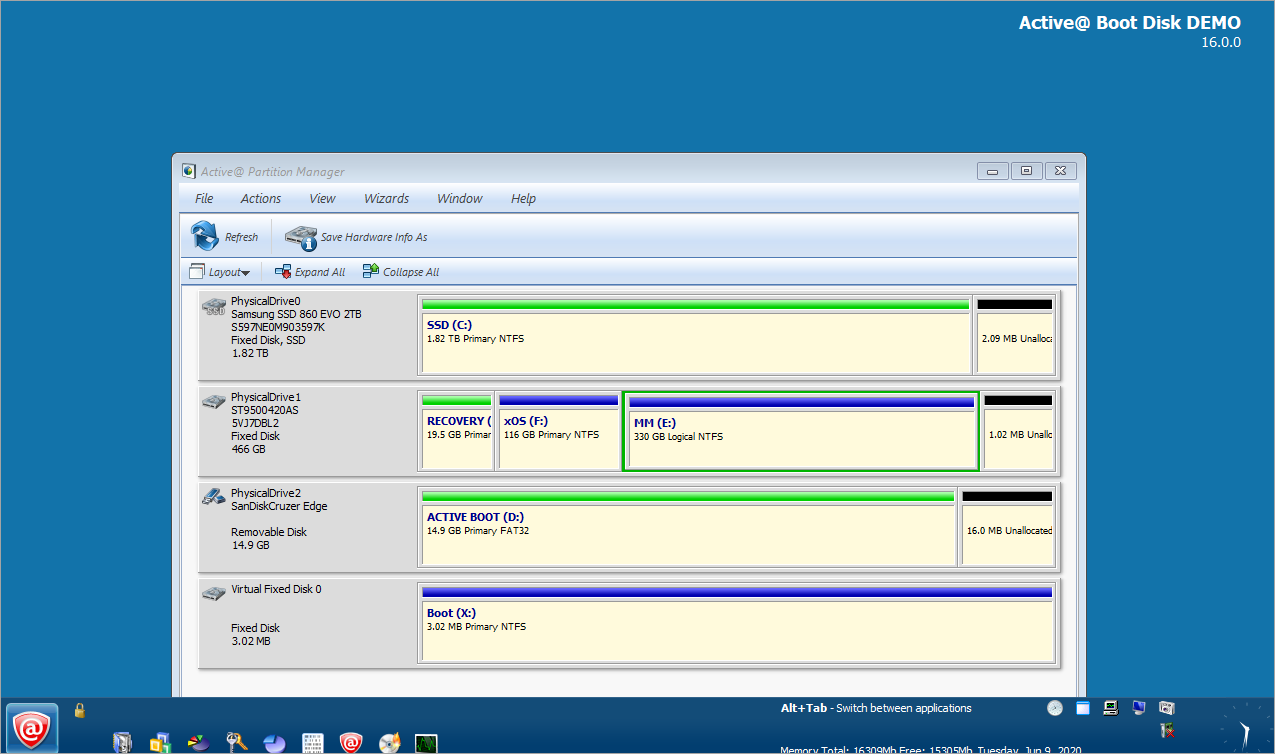
Active@ Boot Disk is a complete and functioning computer operating system on CD/DVD/USB disk. Boot Disk does not modify the operating system already installed on a computer's hard drive. It includes many tools to boot up a computer and fix most startup, PC configuration, and system management problems.

You can perform data recovery, creating and restoring backups, secure data erasure and a number of other tasks all from a bootable CD/DVD or USB flash media.

Active@ Boot Disk (Freeware Evaluation)

Boots x64/amd64 based machines such as these with Intel/AMD processors

Active@ Boot Disk ARM (Freeware Evaluation)

Boots ARM-based machines such as those with Snapdragon processors

Active@ Boot Disk 9 (32-bit WinPE 3.1-based) Freeware
quotation
Finally, we come to a boot disc that offers useful tools, is easy to use, and can be created for virtually any XP, Vista, Windows 7, 8 and 10 computer
Lincoln Spector
testimonial
Organic Chemistry 3rd Edition Smith Solutions Manual
Active@ Boot Disk Version 26.0.1
February 27, 2026
  • WinPE upgraded to Windows 11 26H1 base, v 10.0.28100
  • Added new storage drivers for Dell and HP devices
  • Active@ KillDisk 26
  • Active@ Disk Image 26
  • Active@ Disk Editor 26
  • Active@ File Recovery 26
  • Active@ Partition Recovery 26
  • Active@ Password Changer 26
Updates history

The Organic Chemistry (3rd Edition) Solutions Manual by Janice Gorzynski Smith is more than an answer booklet; it is a structured tutorial in chemical reasoning. When used correctly—as a check after genuine effort, and as a model for how to think mechanistically—it effectively doubles the instructional value of the parent textbook. However, its efficacy is entirely dependent on the student’s discipline. For the passive learner, it is a crutch; for the active learner, it is a rigorous instructor in paper form. As organic chemistry education continues to shift toward flipped classrooms and active learning, resources like the Smith Solutions Manual remain essential for bridging the gap between reading about reactions and actually performing the mental gymnastics required to master them.

The textbook (Smith, 3rd Ed.) excels at presenting concepts via "SkillBuilder" examples. However, a textbook’s limited space allows for only one or two fully worked examples per topic. The Solutions Manual expands this drastically. For instance, in the chapter on Nucleophilic Substitution (SN1/SN2), the textbook provides four worked examples. The manual provides detailed solutions for over 30 end-of-chapter problems, ranging from simple product prediction to complex multi-step syntheses involving stereochemistry.

A notable feature of the manual is its consistent use of . For mechanism problems, the manual does not simply state the product; it redraws the reactants and shows the electron flow frame-by-frame. This is critical because electron movement is the language of organic chemistry, and the manual provides a fluent translation for students who are still learning that language.

Unlike many abbreviated answer keys, the Smith Solutions Manual is explicitly designed to mirror the stepwise reasoning required in professional research. Each solution begins with a "Strategy" section—a short paragraph that outlines how to approach the problem type. This is followed by a "Solution" section, which details the mechanism or synthesis, and often concludes with a "Check" section, encouraging students to verify their logic against fundamental principles (e.g., carbocation stability or the octet rule).

Furthermore, the manual addresses the specific shortcomings of the 3rd Edition. In this edition, Smith introduced more "Integration" problems that combine multiple chapters (e.g., spectroscopy with substitution reactions). The manual is particularly valuable here, as it explicitly traces which concept from which chapter is being used at each step of a complex problem.

Bridging the Gap Between Theory and Mechanism: An Analysis of the Organic Chemistry (3rd Edition) Solutions Manual by Janice Gorzynski Smith

Organic chemistry is widely regarded as a gatekeeper course for STEM majors, demanding not only rote memorization but, more critically, the development of spatial reasoning and mechanistic logic. Janice Gorzynski Smith’s Organic Chemistry (3rd Edition) is a standard text known for its clear writing style and emphasis on the "why" behind chemical reactions. However, the textbook alone cannot teach problem-solving. The Solutions Manual for this specific edition serves as an indispensable pedagogical scaffold. This paper examines the structure, utility, and educational philosophy of the Smith 3rd Edition Solutions Manual, analyzing how it functions as a learning tool rather than merely an answer key.

Pricing Table

Please choose the correct version and licensing model according to your business needs

Windows

Windows Installer
Windows-based Boot Disk

Licenses:
- +

$

Windows ARM

Windows Installer
Boot Disk for Snapdragon

Licenses:
- +

$

Suite

Windows Installer
Windows-based Boot Disk
TinyCore-based Console
Boot Disk for Snapdragon

Licenses:
- +

$

  • Personal license - for non-commercial purposes. The Personal License will be assigned to the individual's name.
  • Corporate license - for commercial use. With a Corporate License the company can use the program in a business, academic, or government environment.
  • Site license - provides unlimited licensing for corporation on one physical site or location.
  • Enterprise license - for large corporations and enterprises. It means that you can use software without of any limitations at all company's offices and branches (worldwide).

Organic Chemistry 3rd Edition Smith Solutions Manual May 2026

The Organic Chemistry (3rd Edition) Solutions Manual by Janice Gorzynski Smith is more than an answer booklet; it is a structured tutorial in chemical reasoning. When used correctly—as a check after genuine effort, and as a model for how to think mechanistically—it effectively doubles the instructional value of the parent textbook. However, its efficacy is entirely dependent on the student’s discipline. For the passive learner, it is a crutch; for the active learner, it is a rigorous instructor in paper form. As organic chemistry education continues to shift toward flipped classrooms and active learning, resources like the Smith Solutions Manual remain essential for bridging the gap between reading about reactions and actually performing the mental gymnastics required to master them.

The textbook (Smith, 3rd Ed.) excels at presenting concepts via "SkillBuilder" examples. However, a textbook’s limited space allows for only one or two fully worked examples per topic. The Solutions Manual expands this drastically. For instance, in the chapter on Nucleophilic Substitution (SN1/SN2), the textbook provides four worked examples. The manual provides detailed solutions for over 30 end-of-chapter problems, ranging from simple product prediction to complex multi-step syntheses involving stereochemistry. Organic Chemistry 3rd Edition Smith Solutions Manual

A notable feature of the manual is its consistent use of . For mechanism problems, the manual does not simply state the product; it redraws the reactants and shows the electron flow frame-by-frame. This is critical because electron movement is the language of organic chemistry, and the manual provides a fluent translation for students who are still learning that language. The Organic Chemistry (3rd Edition) Solutions Manual by

Unlike many abbreviated answer keys, the Smith Solutions Manual is explicitly designed to mirror the stepwise reasoning required in professional research. Each solution begins with a "Strategy" section—a short paragraph that outlines how to approach the problem type. This is followed by a "Solution" section, which details the mechanism or synthesis, and often concludes with a "Check" section, encouraging students to verify their logic against fundamental principles (e.g., carbocation stability or the octet rule). For the passive learner, it is a crutch;

Furthermore, the manual addresses the specific shortcomings of the 3rd Edition. In this edition, Smith introduced more "Integration" problems that combine multiple chapters (e.g., spectroscopy with substitution reactions). The manual is particularly valuable here, as it explicitly traces which concept from which chapter is being used at each step of a complex problem.

Bridging the Gap Between Theory and Mechanism: An Analysis of the Organic Chemistry (3rd Edition) Solutions Manual by Janice Gorzynski Smith

Organic chemistry is widely regarded as a gatekeeper course for STEM majors, demanding not only rote memorization but, more critically, the development of spatial reasoning and mechanistic logic. Janice Gorzynski Smith’s Organic Chemistry (3rd Edition) is a standard text known for its clear writing style and emphasis on the "why" behind chemical reactions. However, the textbook alone cannot teach problem-solving. The Solutions Manual for this specific edition serves as an indispensable pedagogical scaffold. This paper examines the structure, utility, and educational philosophy of the Smith 3rd Edition Solutions Manual, analyzing how it functions as a learning tool rather than merely an answer key.

Boot Disk Review

Boot Disk Review

To continue the train of reviews on software developed by LSoft Technologies Inc., I'll be reviewing one of their core products: Active@ Boot Disk. What this software proves itself to be is a powerful disk utility tool that allows the user to create a portable, working bootable disk that...