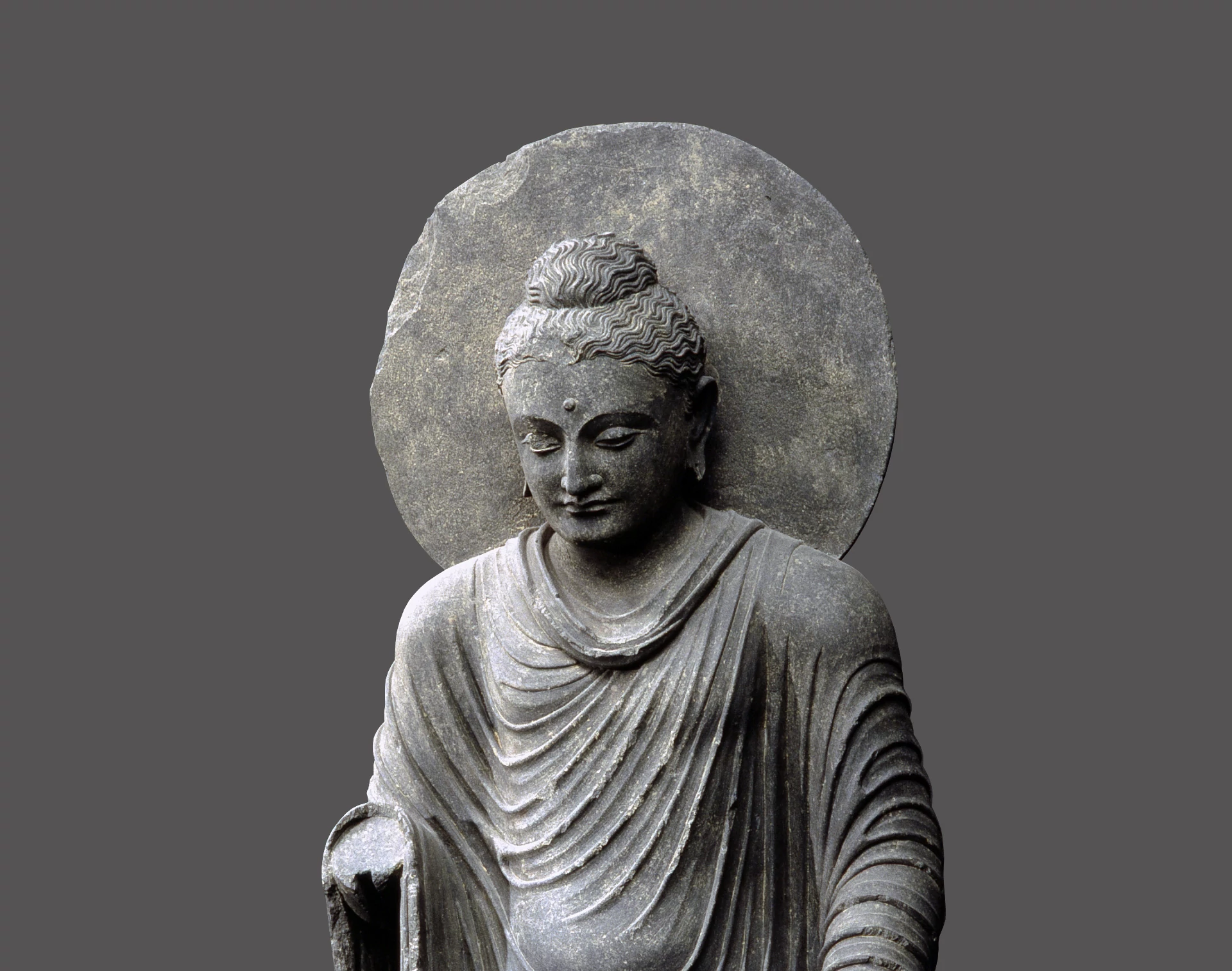
Classical India
The largest economy in the world for 1500 years
230BCE – 550CEThe Anatomy of a Siege: Paranoia, Patriarchy, and Purgatory in Peaky Blinders 4x4
Unlike the cosmopolitan aspirations of previous seasons (London, Derby Day), 4x4 deliberately shrinks the world. The action is almost entirely confined to the Shelby family’s compound and the darkened streets of Small Heath. Director Caffrey employs a desaturated palette of deep blues and blacks, punctuated by the sickly yellow of gas lamps and the crimson of imminent violence. Cinematographically, the episode favors tight over-the-shoulder shots and shallow focus, creating a sense of walls closing in. Peaky Blinders 4x4
Polly’s crisis is spiritual. She burns her tarot cards, declaring that “the gift has gone.” In a show where foresight is power, Polly’s loss of clairvoyance is equivalent to castration in a patriarchal structure. The episode forces her to confront the limits of her agency. When she begs Tommy to kill her, it is not mere melodrama; it is the logical endpoint of a character who has been forced to choose between her child and her family, and lost both. Her subsequent decision to seduce and execute the Changretta assassin (in a brutal, unglamorous strangulation) is not a return to power but a nihilistic act of self-annihilation disguised as loyalty. The Anatomy of a Siege: Paranoia, Patriarchy, and
“Peaky Blinders 4x4” stands as a masterclass in television drama that slows down time to examine the cost of survival. By abandoning the show’s signature hyperkinetic style for a chamber-piece approach, the episode reveals the psychological rot beneath the bespoke suits and cigarette smoke. It argues that the greatest threat to the Shelby family is not Luca Changretta’s revolver, but the paranoia, trauma, and fragile masculinity that have metastasized in their years of unchecked power. In the purgatory of Small Heath, waiting for a death that may or may not come, the Peaky Blinders learn a brutal lesson: you can win a war and still lose everything that made you human. The episode forces her to confront the limits of her agency