Thinkware | Z300
But after living with it, the Z300 tells a different story. It is the camera for the anxious driver. It is for the person who has been burned by a false insurance claim or a parking lot dent. It prioritizes evidence over entertainment. The video quality punches above its weight class at night. The radar parking mode is a genuine innovation, not a gimmick.
But the real test was a license plate. At night, in the rain, on a moving car 50 feet ahead. I paused the footage. I zoomed in. The plate was a string of alphanumeric characters, sharp enough to read. The Z300’s secret sauce isn't resolution; it's bitrate . It records at a high data rate that refuses to compress the truth into artifacts. This is where the Z300 deviates from the script. Most dash cams are dumb recorders. The Z300 has a Radar-based Parking Surveillance Mode . thinkware z300
The Thinkware Z300 is a bodyguard that doesn't want you to know it's there. It is unsexy, utilitarian, and brutally effective. It will not help you vlog your road trip. It will not play music. But when the moment comes—the screech of metal, the shouted lie from the other driver, the note under your windshield wiper that says “Sorry, I have no insurance”—you will slide the microSD card into your computer, and you will find a 2K video of the truth. But after living with it, the Z300 tells a different story
Here is the scene: You park at a busy grocery store. You walk away. Traditional cameras use motion detection (pixel change) to wake up. They record every passing shadow, every leaf, every shift in sunlight. Your memory card fills with 300 videos of nothing. It prioritizes evidence over entertainment
Wiring it is equally thoughtful. The kit includes a hardwiring cable for parking mode, but unlike competitors that drain your battery to zero, the Z300 uses a voltage cutoff system you set via its app (12.4V, 12.0V, or 11.8V). You tell the camera how much to respect your car’s soul (the starter battery), and it listens. The spec sheet says “2K QHD (2560x1440) at 30fps.” But the story is in the sensor: a Sony STARVIS IMX335 . For the uninitiated, STARVIS is the night-vision of the dash cam world. It doesn't see in the dark; it negotiates with the dark.
However, the app is the villain of this story. It connects via the camera’s own Wi-Fi, which is slow. Transferring a 1GB video to your phone takes roughly 90 seconds. In an emergency, you’ll want to pop the microSD card (supports up to 128GB) into a laptop. The app works, but it will test your patience. Does the Thinkware Z300 have flaws? Yes. The lack of a screen means you have to trust the LED status light or check the app to ensure it’s recording. The GPS mount (sold separately on some bundles) is necessary for speed and location stamping, which feels like a tease. And at $199.99 (body only), it sits exactly at the price point where buyers hesitate, asking, “Should I just get a BlackVue?”
 TRỌN BỘ MÁY TÍNH (MỚI)
 MÁY TÍNH ĐỒNG BỘ (MỚI)
 GAME ĐỒ HỌA (cũ)
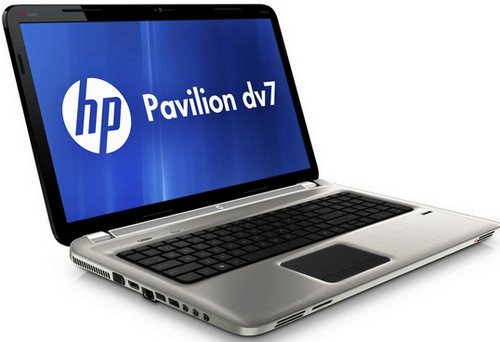 LAPTOP CŨ
 MÀN HÌNH MÁY TÍNH (CŨ)
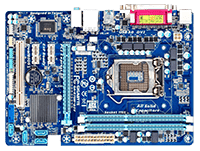 MAINBOARD – BO MẠCH CHỦ
 CPU – BỘ VI XỬ LÝ
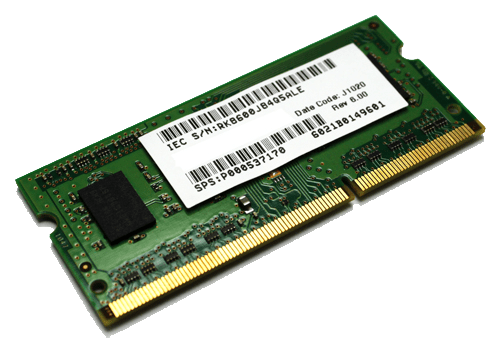 RAM – BỘ NHỚ TRONG
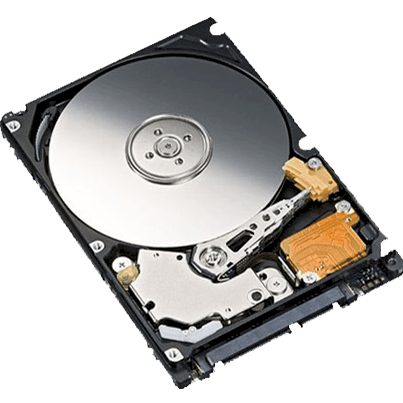 HDD – Ổ CỨNG MÁY TÍNH
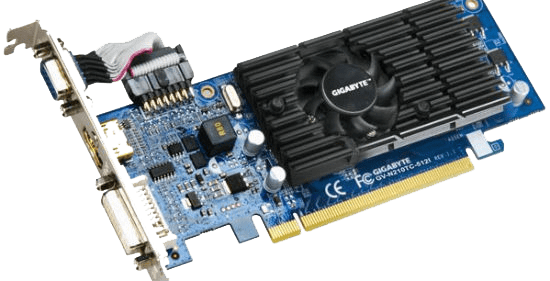 VGA – CARD MÀN HÌNH
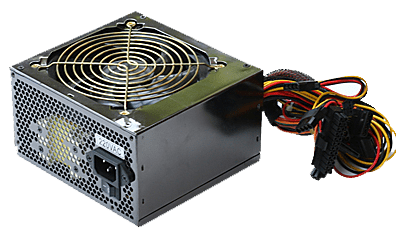 POWER – NGUỒN MÁY TÍNH
 PHỤ KIỆN MÁY TÍNH
 PHẦN MỀM DIỆT VIRUT
